
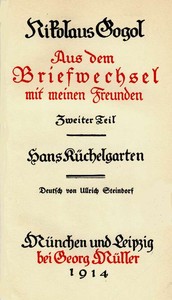
Sämmtliche Werke 8: Briefwechsel II, Hans Küchelgarten by Nikolai Vasilevich Gogol
Okay, let's set the scene. It's the late 1820s. Nikolai Gogol is not yet the celebrated author of Dead Souls or The Overcoat. He's a teenager who just finished school, full of big dreams and what we'd now call intense creative anxiety. His first major project is a long narrative poem, Hans Küchelgarten, inspired by German Romanticism. This book, Briefwechsel II (Correspondence, Part 2), is the collection of letters he wrote during this period.
The Story
There isn't a traditional plot here. Instead, the 'story' is the real-life drama of a young artist's launch. Through letters to his mother, friends, and patrons, we follow Gogol's journey. He begs for money and news from home, passionately defends his artistic choices, and frets over every detail of publishing his poem. We see the lead-up to its release, his fragile hopes, and the devastating aftermath when critics mostly ignored it or gave it bad reviews. The climax isn't in a chapter; it's in the quiet, humiliated decision he made later to track down and destroy as many copies as he could. This book is the 'before' snapshot of that whole disaster.
Why You Should Read It
This is for anyone who creates anything. Gogol's voice in these letters is shockingly relatable. His boasts are undercut by insecurity. His pleas for reassurance from his mother are both tender and cringe-worthy. You see the gap between the grand, romantic figure he wants to be and the nervous young man he is. It makes his later, weirder, genius work feel like a miracle. Reading this, you understand that his famous satire and grotesque characters didn't come from a place of cool confidence, but from surviving this kind of personal and artistic failure. It adds a whole new, human layer to everything he wrote later.
Final Verdict
This isn't for someone looking for a casual intro to Gogol. Start with his stories. But if you already love his work and are fascinated by the creative process, this is a treasure. It's perfect for writers, Gogol superfans, or anyone who finds the messy, uncertain beginnings of famous people more interesting than their polished success. Think of it as the ultimate literary origin story, told in real time by a future master who has no idea he's going to make it.
Legal analysis indicates this work is in the public domain. Feel free to use it for personal or commercial purposes.
Daniel Robinson
10 months agoFinally found time to read this!
Charles Anderson
1 year agoI came across this while browsing and it challenges the reader's perspective in an intellectual way. One of the best books I've read this year.
Linda White
10 months agoAs someone working in this industry, I found the insights very accurate.